
New York Weather by Month: Temperatures, Rain and What to Pack
New York weather month by month from NOAA's 1991 to 2020 normals for Central Park: highs, lows, rain and snow, and which months suit a trip.
Month guides: New York in December · New York in January · New York in February · New York in May · New York in June · New York in September · New York in October
The easy months are April to June and September to October. Average highs in those months run from 62°F to 80°F (17°C to 26°C), and snow is close to nil, with 0.4 inch in April and none from May to September. New York is hottest in July, with an average high of 85°F (29°C), and coldest in January, when the high is 40°F (4°C) and the low 28°F (-2°C). Rain is steady all year, between 3.2 and 4.6 inches a month, and it doesn’t have a dry season.
Every figure below is a NOAA normal for Central Park, not a forecast. Any single week can run several degrees either side, so use the table to choose clothes and check the forecast before you fly. Don’t plan around the averages alone.
New York weather by month
These are the U.S. Climate Normals of NOAA’s National Centers for Environmental Information, averaged over 1991 to 2020, for the New York Central Park station (NCEI monthly normals). Rainy days are days with at least 0.01 inch of precipitation, which is NOAA’s lowest threshold, so the counts are higher than the days that feel wet.
| Month | Average high | Average low | Rain | Snow | Rainy days |
|---|---|---|---|---|---|
| January | 40°F (4°C) | 28°F (-2°C) | 3.64 in (92 mm) | 8.8 in | 10.8 |
| February | 42°F (6°C) | 30°F (-1°C) | 3.19 in (81 mm) | 10.1 in | 10.0 |
| March | 50°F (10°C) | 36°F (2°C) | 4.29 in (109 mm) | 5.0 in | 11.1 |
| April | 62°F (17°C) | 46°F (8°C) | 4.09 in (104 mm) | 0.4 in | 11.4 |
| May | 71°F (22°C) | 55°F (13°C) | 3.96 in (101 mm) | 0.0 in | 11.5 |
| June | 80°F (26°C) | 64°F (18°C) | 4.54 in (115 mm) | 0.0 in | 11.2 |
| July | 85°F (29°C) | 70°F (21°C) | 4.60 in (117 mm) | 0.0 in | 10.5 |
| August | 83°F (28°C) | 69°F (20°C) | 4.56 in (116 mm) | 0.0 in | 10.0 |
| September | 76°F (25°C) | 62°F (17°C) | 4.31 in (110 mm) | 0.0 in | 8.8 |
| October | 64°F (18°C) | 51°F (11°C) | 4.38 in (111 mm) | 0.1 in | 9.5 |
| November | 54°F (12°C) | 42°F (6°C) | 3.58 in (91 mm) | 0.5 in | 9.2 |
| December | 44°F (7°C) | 34°F (1°C) | 4.38 in (111 mm) | 4.9 in | 11.4 |
Spring: April, May and June
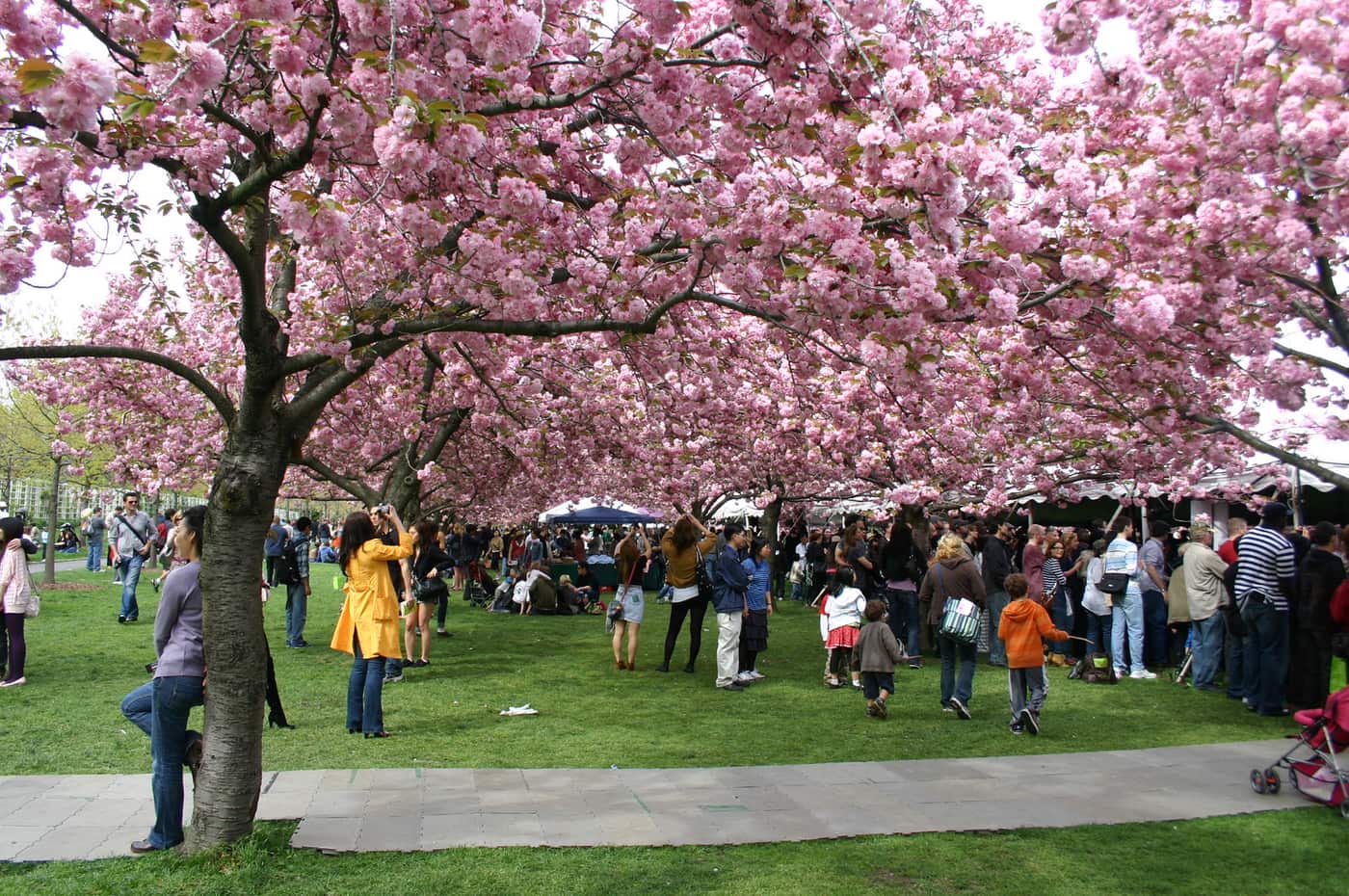
April reaches 62°F (17°C) and May 71°F (22°C), with lows of 46°F and 55°F. June climbs to 80°F (26°C). Bring a light jacket for April and May evenings, and an umbrella, because May and June both average more than 11 rainy days. Brooklyn Botanic Garden keeps a flowering cherry collection and runs a cherry blossom season guide each spring, so check its page for the dates.

Summer: July and August
July averages 85°F (29°C) with a low of 70°F (21°C), and August is a degree or two cooler. The lows barely fall, so nights stay warm. Plan indoor stops, such as museums, for the middle of the day and save the waterfront for evenings. Coney Island and its Luna Park are the classic summer trip.

Autumn: September and October
September averages 76°F (25°C) and has the fewest rainy days of any month, 8.8. October drops to 64°F (18°C) with a low of 51°F (11°C), so you’ll want a sweater by evening. Central Park is the place to be in these weeks.
Winter: November to March
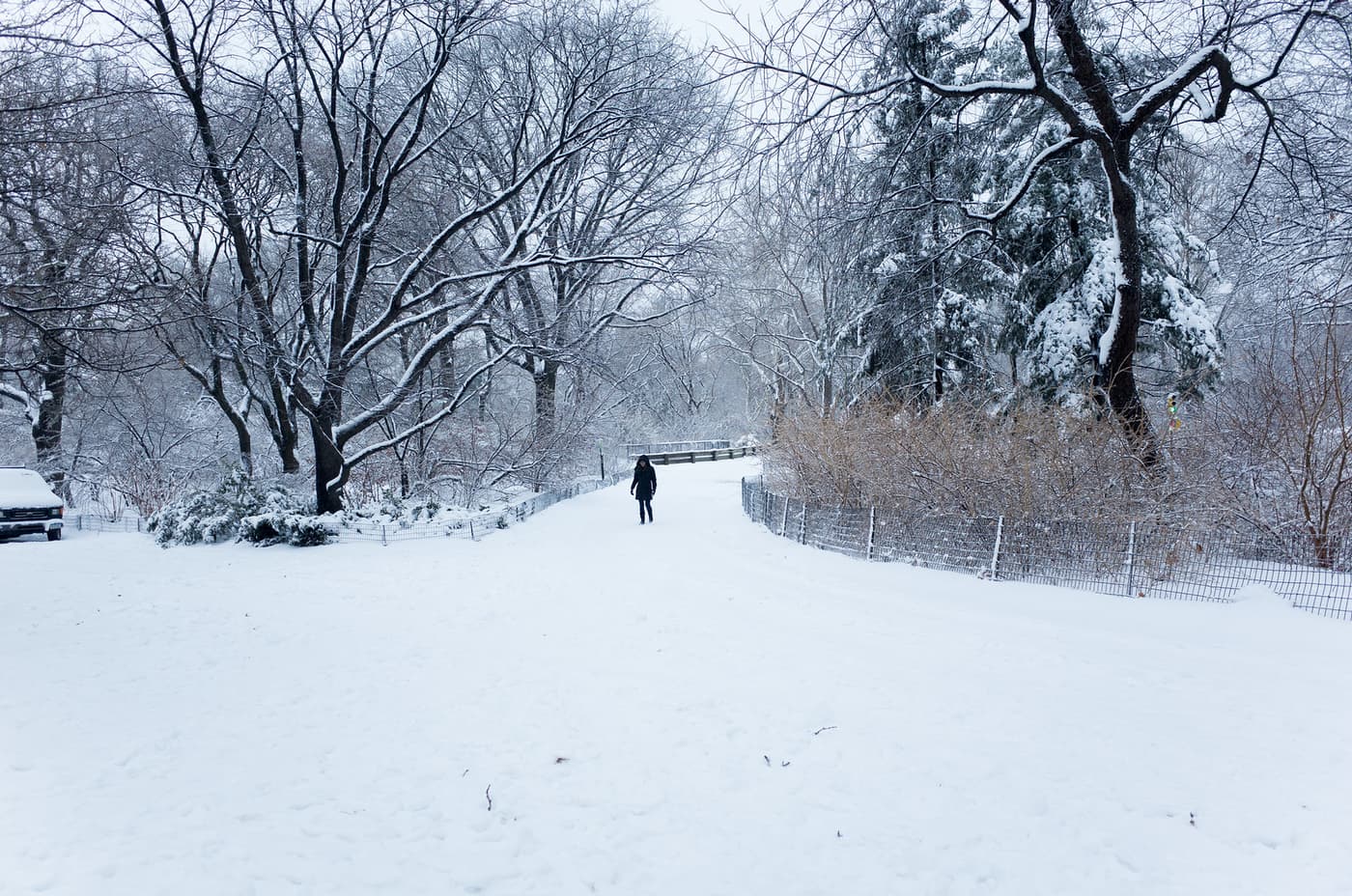
November is 54°F (12°C) with a low of 42°F (6°C), and only 0.5 inch of snow on average. December is 44°F (7°C), January 40°F (4°C) and February 42°F (6°C), and the lows fall below freezing in January and February. Average snowfall is 4.9 inches in December, 8.8 in January, 10.1 in February and 5.0 in March, so February is the snowiest month. Pack a warm coat, a hat and gloves, and shoes that cope with slush. You’ll be glad of them. If you’re there for 31 December, New Year’s Eve in New York covers what the night in Times Square asks of your clothes. Heading for the parade on 17 March? St Patrick’s Day in New York covers the route and the timing, and you’ll want to dress for standing on Fifth Avenue for hours.
What to pack
December to February. A warm coat, gloves, a hat and waterproof shoes.
March and November. A medium coat and layers. March still averages 5.0 inches of snow.
April, May and October. A light jacket or sweater, plus an umbrella.
June to September. Light clothes, a thin layer for air conditioning, and water for walking days.
Frequently Asked Questions
What is the best month to visit New York?
May, June, September and October have the mildest averages, with highs between 64°F and 80°F. That’s the pick if you don’t like extremes. September has the fewest rainy days.
When does it snow in New York?
Snow falls from November to April on average. January and February bring the most, with 8.8 and 10.1 inches.
What is the hottest month in New York?
July, with an average high of 85°F (29°C) and a low of 70°F (21°C).
Does it rain a lot in New York?
Rain is spread evenly through the year, from 3.19 inches in February to 4.60 inches in July. See what’s on in any month on the events page.
For what to see once you’re there, read things to do in New York and where to stay.
Sources
- NOAA NCEI, U.S. Climate Normals 1991 to 2020, monthly, New York Central Park station USW00094728. Temperatures converted from °F and rainfall from inches by Roam New York.
- Brooklyn Botanic Garden, for the cherry blossom season guide.
Places in this guide
Photos show the actual places, licensed under Creative Commons and credited to their photographers.


Find hotels in New York
Browse live availability and compare prices for your dates.
See hotels near New York on Booking.comPrices are for the night of Saturday 28 November. You can change the dates on Booking.com. If you book, Roam New York earns a small commission from Stay22 at no extra cost to you.